


Our Mission
The National Bleeding Disorders Foundation (NBDF) Nevada Chapter is dedicated to finding better treatments and cures for inheritable bleeding disorders and to preventing the complications of these disorders through education, advocacy and research.
Our Mission ... In Action
-
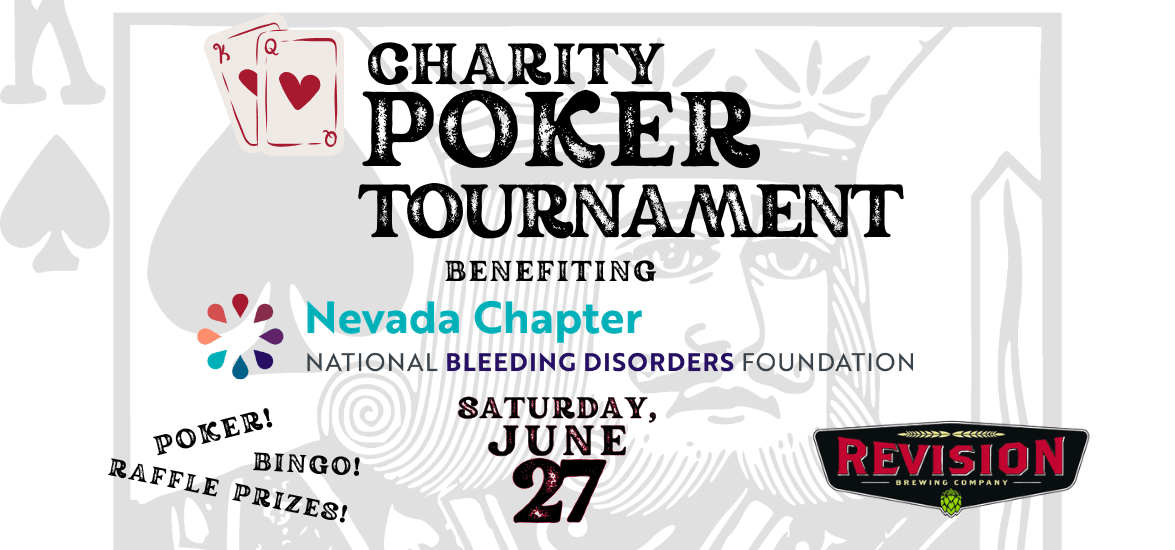
We provide year-round events and fundraisers to spread awareness, educate, and generate crucial resources in support of our mission. Hope to see you at our next event!
-
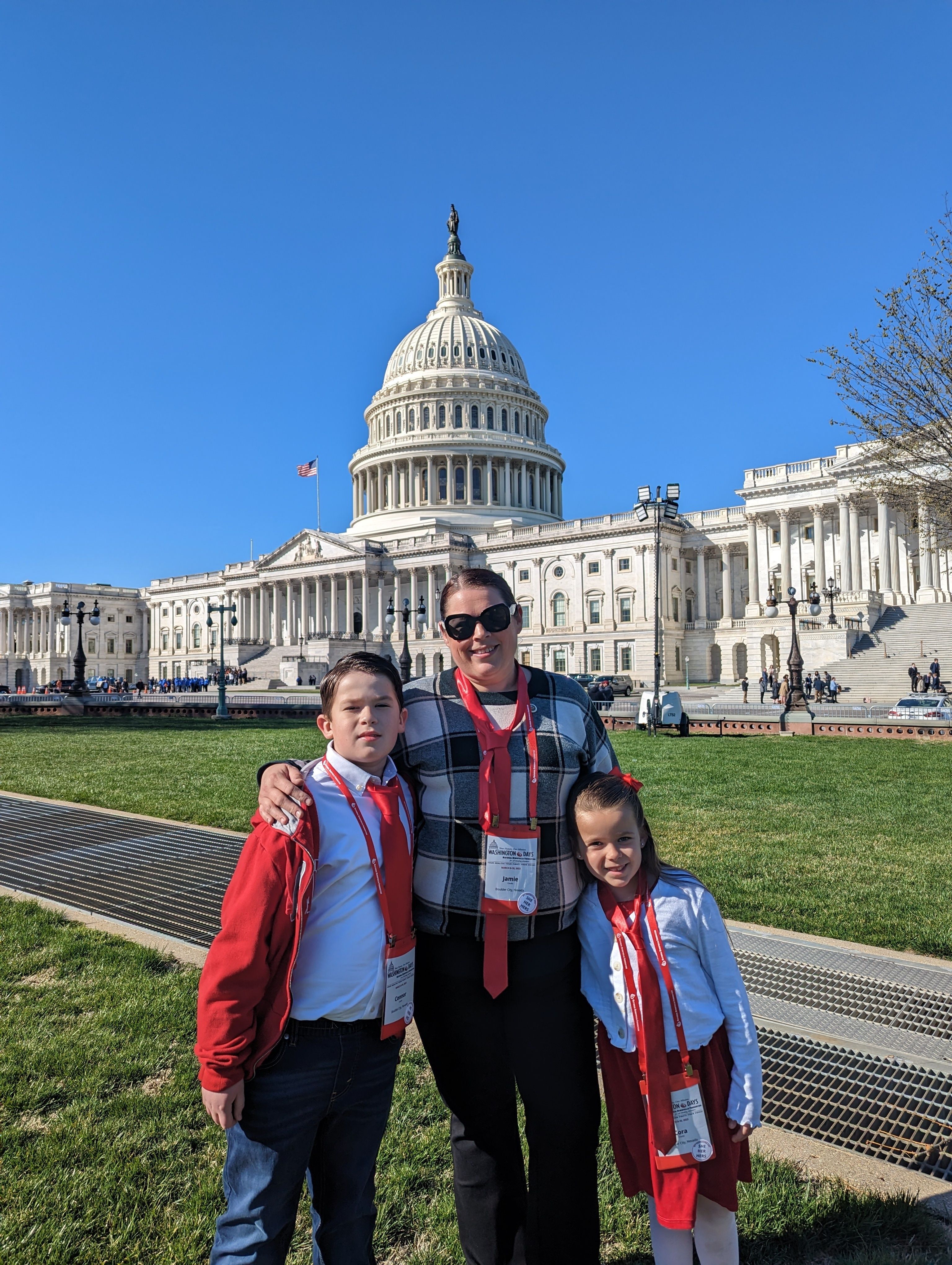
We fight to protect access to quality healthcare and treatments we need to live healthy lives, but we can't do it without your voice. Discover how you and your family can make a big difference by joining our advocacy efforts.
-

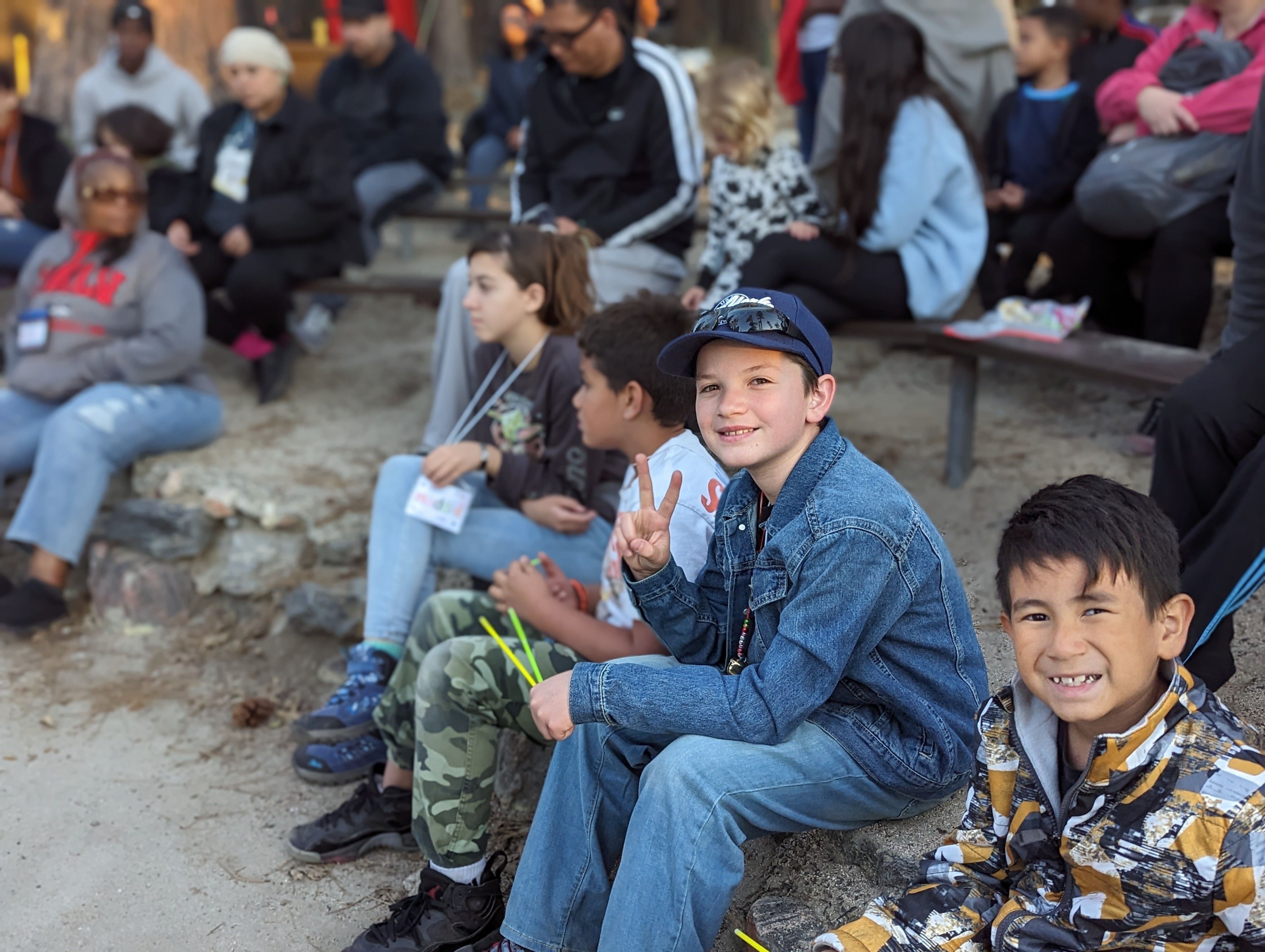
We provide mission-focused experiences through education, support, community connections, and fun for those affected by bleeding disorders.
News & Events
On June 1st, 2026, the federal Centers for Medicare and Medicaid Services (CMS) released its long-awaited rule providing guidance to state Medicaid programs on how to implement the Medicaid work reporting requirements and eligibility limits enacted last year as part of HR 1, the One Big Beautiful Bill Act.
On May 22nd, Representatives Julie Johnson (D-TX-32), Joe Wilson (R-SC-02), and Rep. Sarah McBride (D-DE-At Large) introduced the Fostering Effective Diagnosis and Treatment for Underserved Populations with Bleeding Disorders Act (FED UP with Bleeding Disorders Act, H.R. 8794), federal legislation introduced in the United States Congress aimed at improving diagnosis, treatment, and research equity.
Advertisements